Renovating an old house is not just changing tiles and painting. This is a process that requires planning, patience, and a clear idea of what awaits you. Many owners underestimate the preparation and encounter hidden defects, additional costs, and delays. Below is a practical checklist that you can actually use — before purchase, before renovation, and during the process itself.
Stage 1: Before purchase or start of renovation
Before you invest money, inspect and check:
- the structure — walls, floors, columns, foundation;
- the roof — leaks, beams, insulation;
- moisture, mold, and salt deposits;
- the electrical installation — old or replaced;
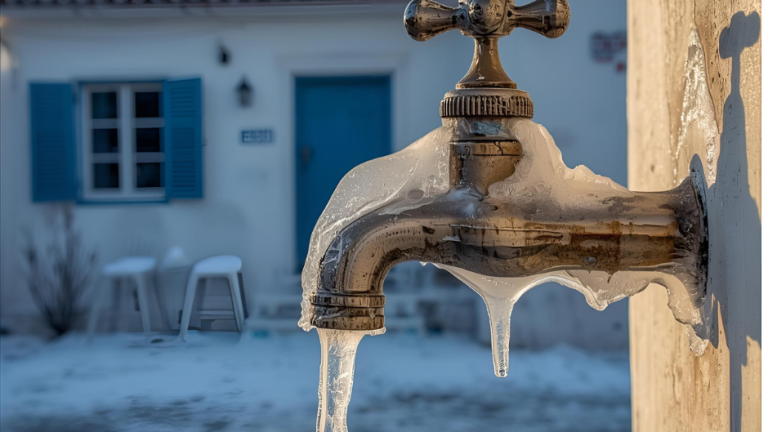
- the plumbing and sewage;
- whether the renovation will be cosmetic or structural.
Important: if at this stage there is no clear idea of what will be renovated, the risk of exceeding the budget is very high.
Stage 2: Planning and design
This is where the most money is earned or lost.
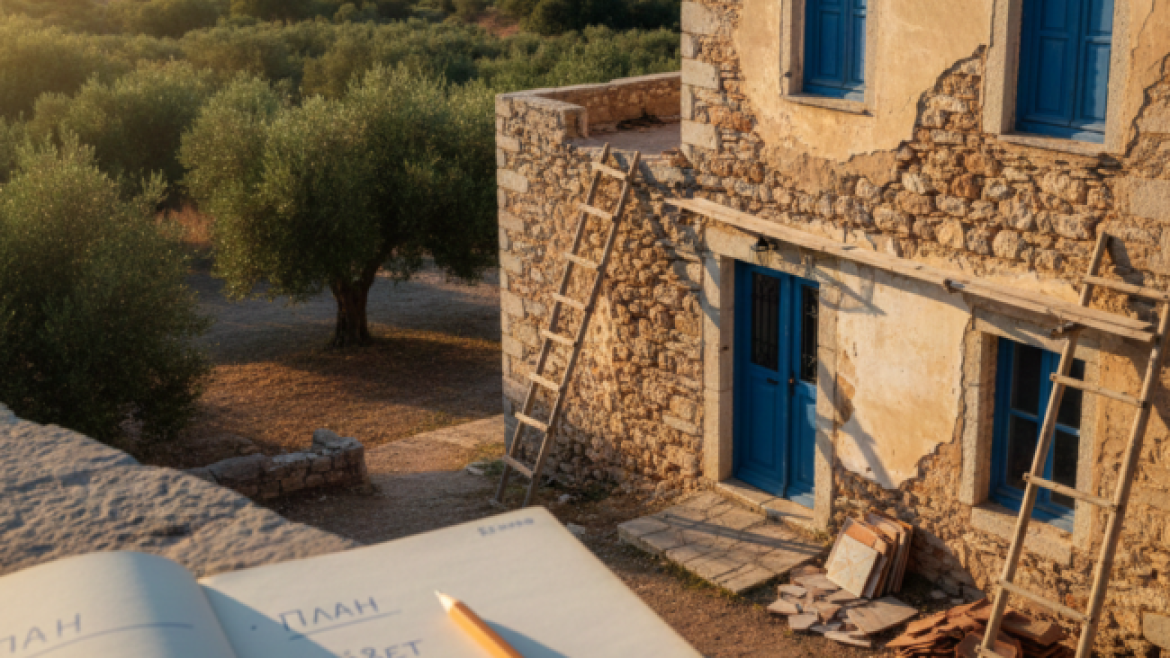
- a clear description of all renovation activities;
- dividing the renovation into stages — rough construction, installations, finishing works;
- checking whether permits are necessary;
- an estimated budget;
- a reserve of 15–30% for unforeseen expenses.
Practice from real cases: with old houses, additional problems almost always emerge after the renovation begins.
Stage 3: Choosing specialists
The most common mistake is choosing only by price.
- craftsmen with experience in renovating old houses;
- a clear agreement on what is included and what is not included in the price;
- itemized stages and deadlines;
- constant communication during the renovation.
Advice: the cheap renovation almost always turns out expensive in the long run.
Stage 4: During the renovation
This is the moment when hidden defects emerge:
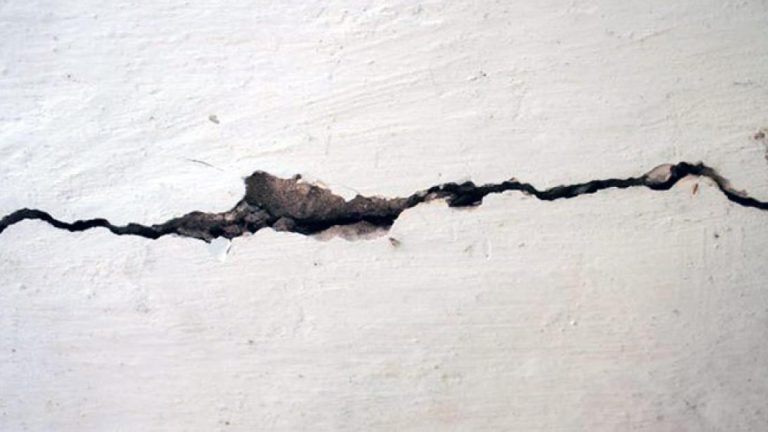
- hidden cracks behind plaster;
- exposed pipes and cables;
- problems with the foundations or roof;
- unexpected additional activities.
Golden rule for the sequence: first structure and installations, then insulation, finally finishing works.
Stage 5: Final inspection
Before you accept the renovation:
- checking whether everything has been completed according to the plan;
- testing the electrical and plumbing system;
- check for leaks and moisture;
- final quality inspection.
The Most Common Mistakes When Renovating Old Houses
- underestimating hidden defects;
- lack of reserve budget;
- starting without a clear plan;
- choosing contractors based only on price;
- cosmetic renovation on top of serious structural problems.
The practical takeaway
Renovating an old house in Greece can be a good investment or an excellent home if approached informedly and consistently. With a proper plan, control and realistic expectations, risks are minimized.
If you are planning a renovation, contact us — our office is located in Halkidiki and we can assist you with an inspection, specialists and control.